|
|
Welcome to our latest newsletter |
|
Hello from the SFF!
It has been a busy time for us here at the forum. We have been fortunate to have sunshine at many of our events but as we are now into August my thoughts turn to 12th August 2020, just a few months into my tenure as Director, when flooding occurred in Aberdeenshire, Perth and the surrounding area and Fife. |
|
|
|
|
It is a timely reminder of how changeable the weather can be and that “Be prepared” should always be our motto. The lessons we put into practice now will make us more resilient whatever the weather.
A familiar face to you all will be leaving us at the end of August. Kasha is heading for pastures new after 3 years with the Forum and we wish her well on her next adventure. We look forward to introducing you to 2 new Community Resilience Managers in our autumn newsletter.
With best wishes from Carol and the team. |
|
Perth Community Flood Aid provide advice, information and, in some cases, subsidised Property Flood Resilience (PFR) products. We work with residents to try to reduce the impact of flooding on their homes or businesses and help the community help itself reduce flood risk. Over the last few months, we have assisted several residents reduce their flood risk, continue working with others to do so, have extended the area we cover and added to our community level resilience resources. |
|
|
|
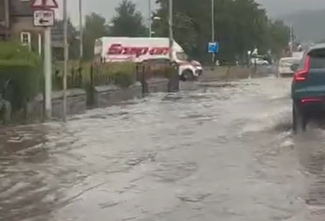
Perth had a short period of heavy rain on 26th June of just over 8mm in less than half an hour. Glasgow Road and Riggs Road flooded with at least one house flooded internally – I have shared some PFR information with the owners. Lidl had to close as their carpark was badly affected, and several other shops had to close to deal with the aftermath, mostly due to leaking roofs. In our area, the public path between our house and the Craigie Burn flooded with the adjoining private path also flooding. Drains on this section of the sewer overtopped with one manhole cover being lifted and water creating a hole to the side of a sealed manhole on the South Inch public park. None of the surface water and drainage issues mentioned above were first time occurrences. |
|
|
|
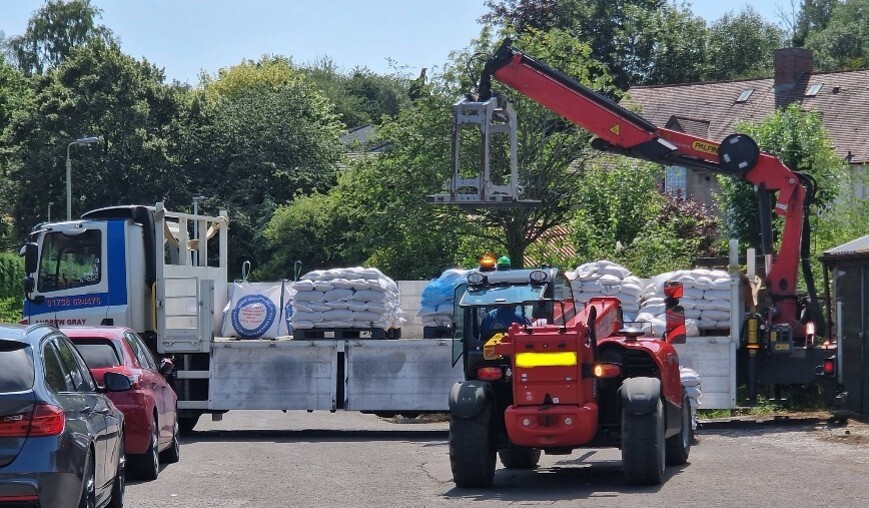
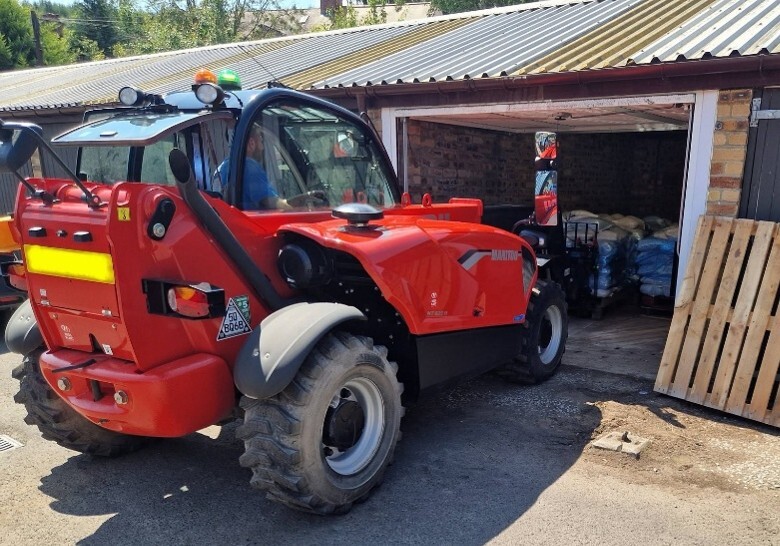
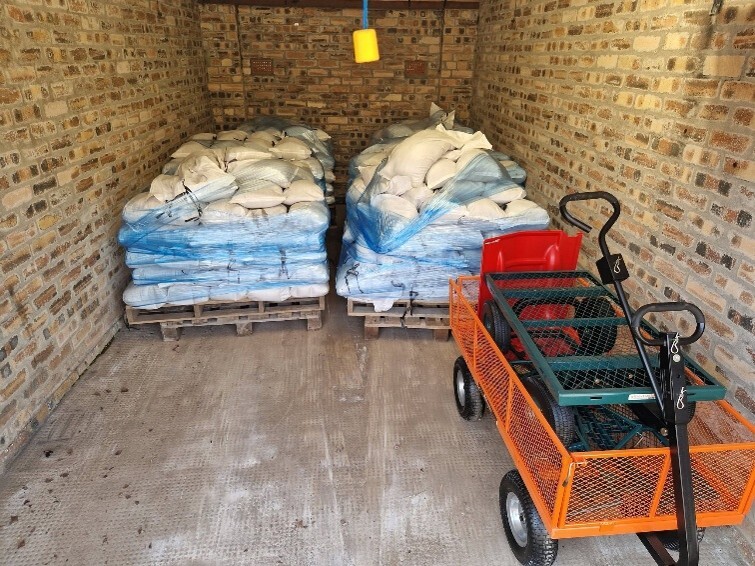
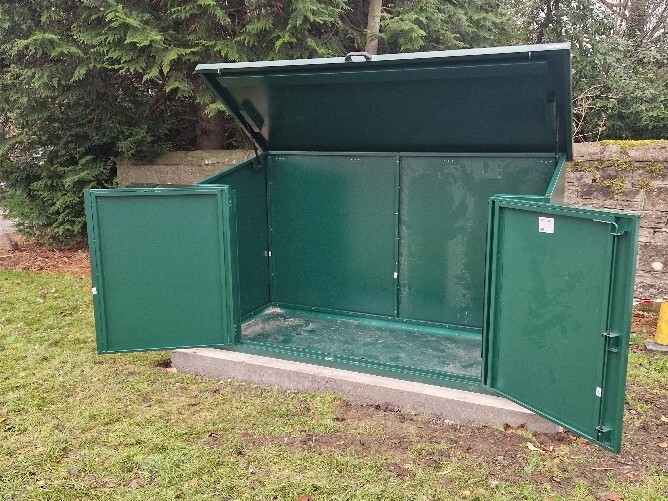
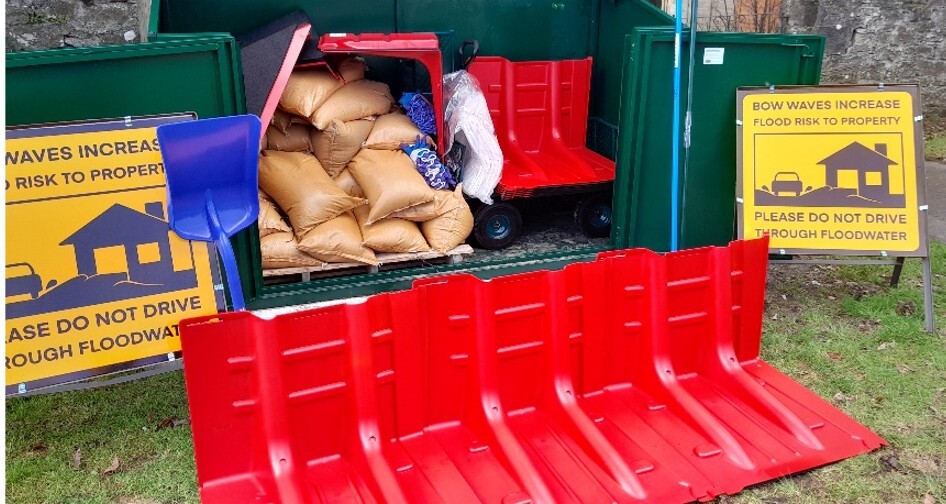
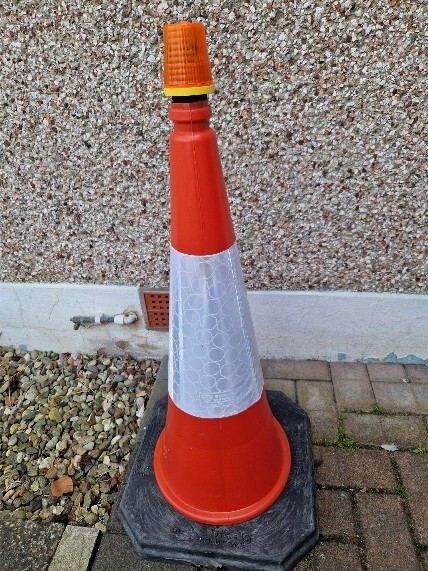
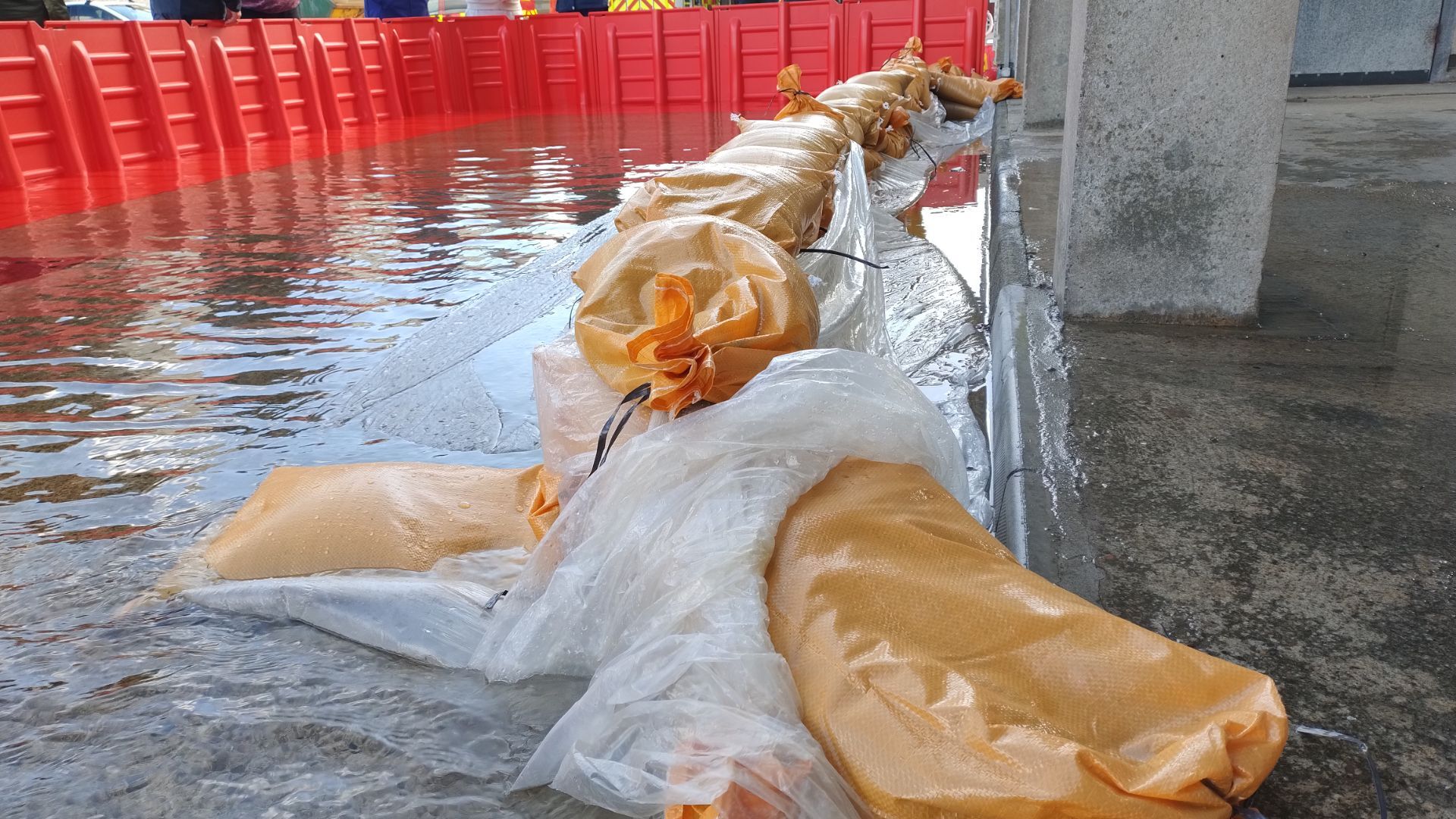
We have helped homeowners fit airbricks and barriers, with dialogue between us and Scottish Water helping 2 residents get flood doors and airbricks fitted by them. We are also providing a resident with FloodClip barriers to put across their driveway as an alternative to sandbags - all after Property Flood Resilience Assessments were carried out by the Scottish Flood Forum. “Flood” signs, traffic cones and traffic cone lights to increase safety if flooding occurs overnight, have been purchased, along with several pallets of sandbags, polythene, and Floodsax (for indoor use mainly), to stock up a garage we have been given by Perth & Kinross Council (PKC). The garage will be opened so that residents can collect these items when flooding is forecast and for us to replenish our Sandbag Stations. |
|
|
|
Sandbags going into the garage |
|
|
|
|
Permission to install an additional 3 Sandbag Stations has just been granted to us – Perth & Kinross Council’s Trade Team are installing the bases, their Unpaid Work Team will install the sheds, then we just have to fill them! |
|
Finally, FloodClip (Flood Control International) asked me if I wanted to be involved in a new feature, 'Shifting the Spotlight to Your Local Flood Support Groups', which will run across their social channels as well as the new news feed on the FloodClip website highlighting Community Resilience Groups. If you are interested in reading it, follow this link.
By Janice Haig |
|
If your group would like to share its experience of using Flood Control International products and help raise awareness of the support available within local communities, please contact Charlotte Cann at charlotte.cann@floodcontrolint.com. |
|
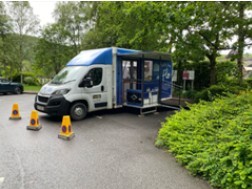
Update on FLO, the SFF Flood Bus |
|
|
|
FLO attended Dunkeld on the 10th of June to support the Dunkeld Flood Protection Scheme consultation and the local PFR grant scheme. |
|
|
|
FLO was invited to Musselburgh Gala on the 13th of June. |
|
|
|
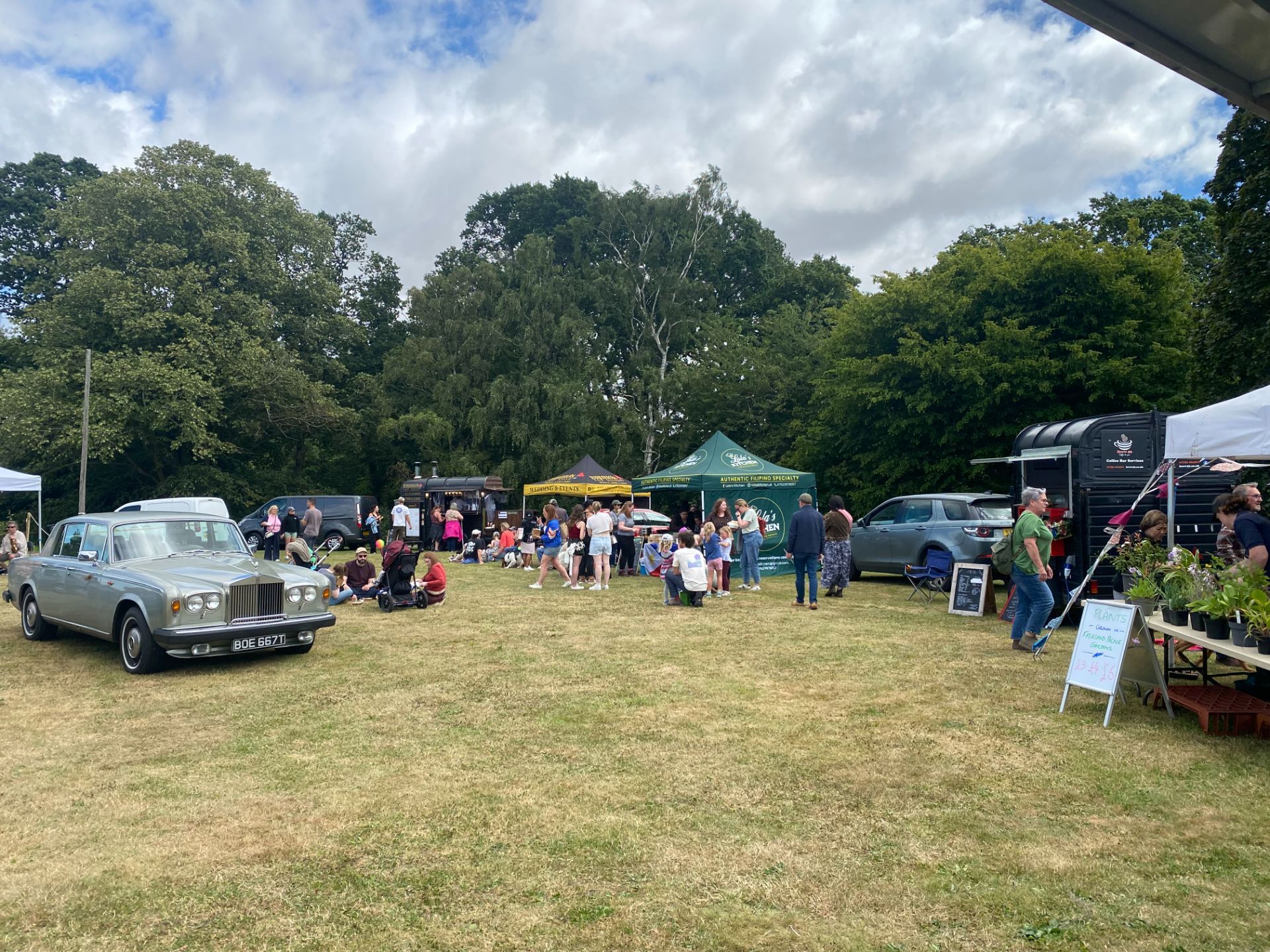
FLO at Falkland Summer Festival on 25th July. |
|
|
Summer Gala in full swing |
|
|
|
|
|
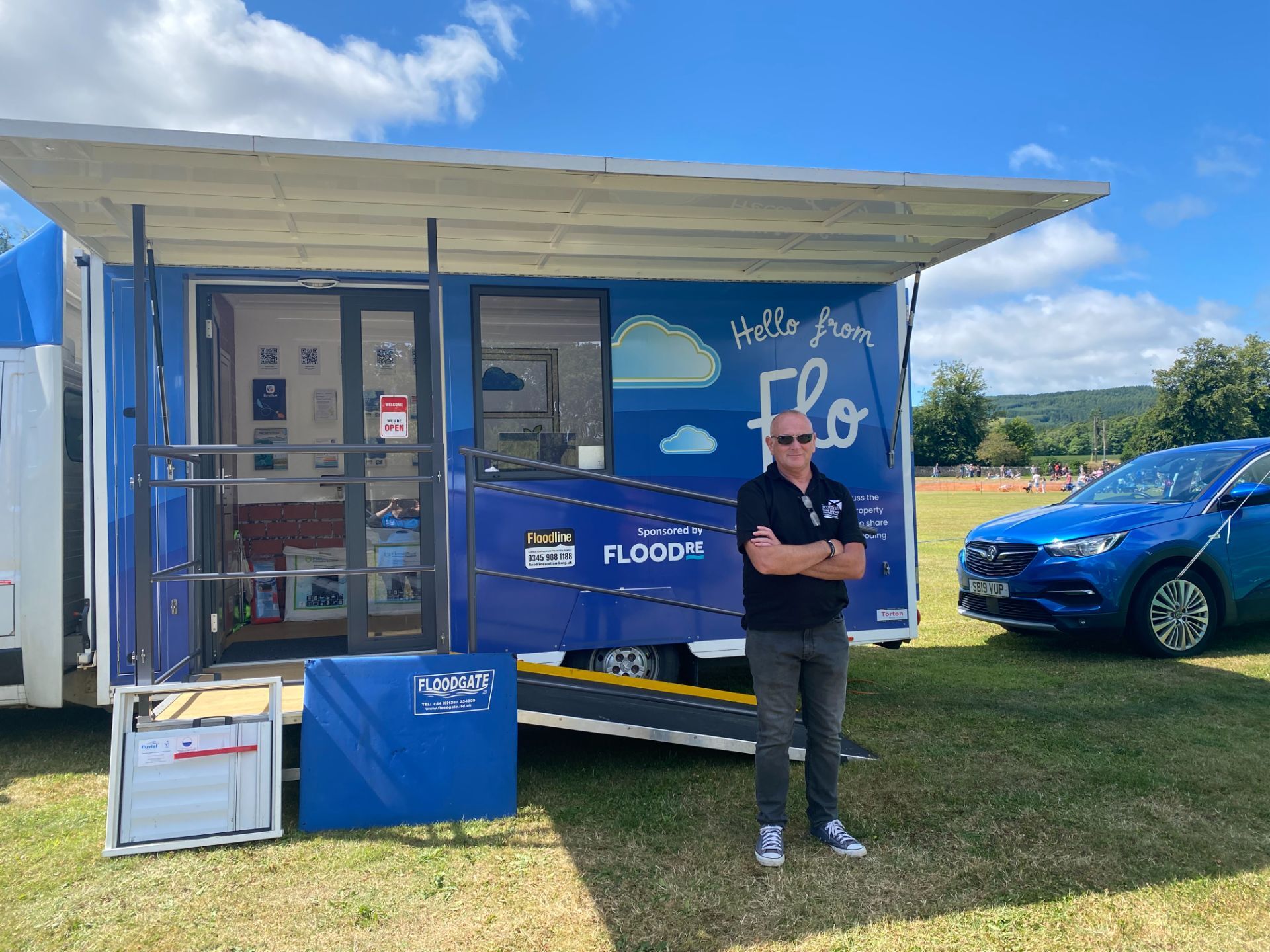
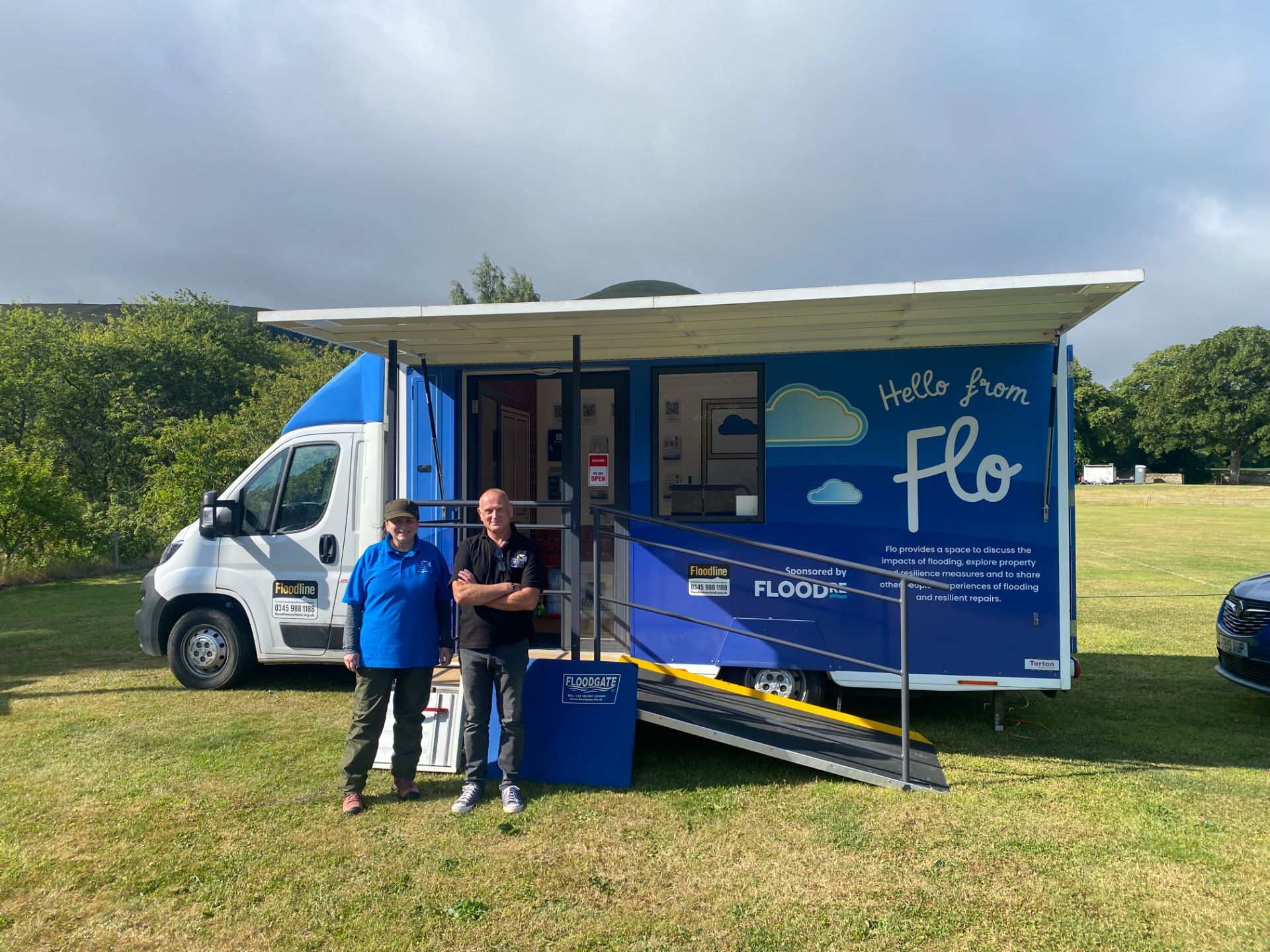
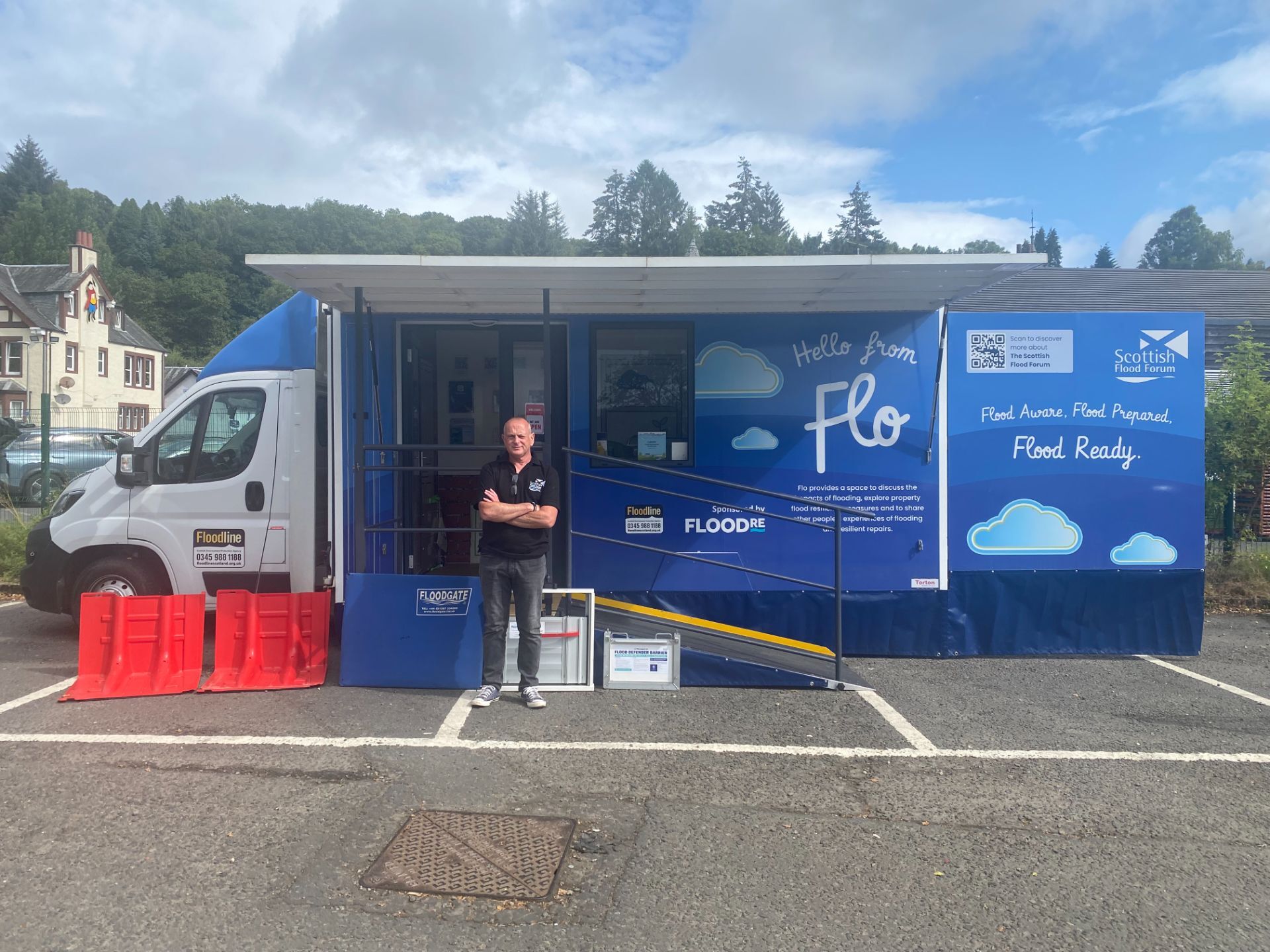
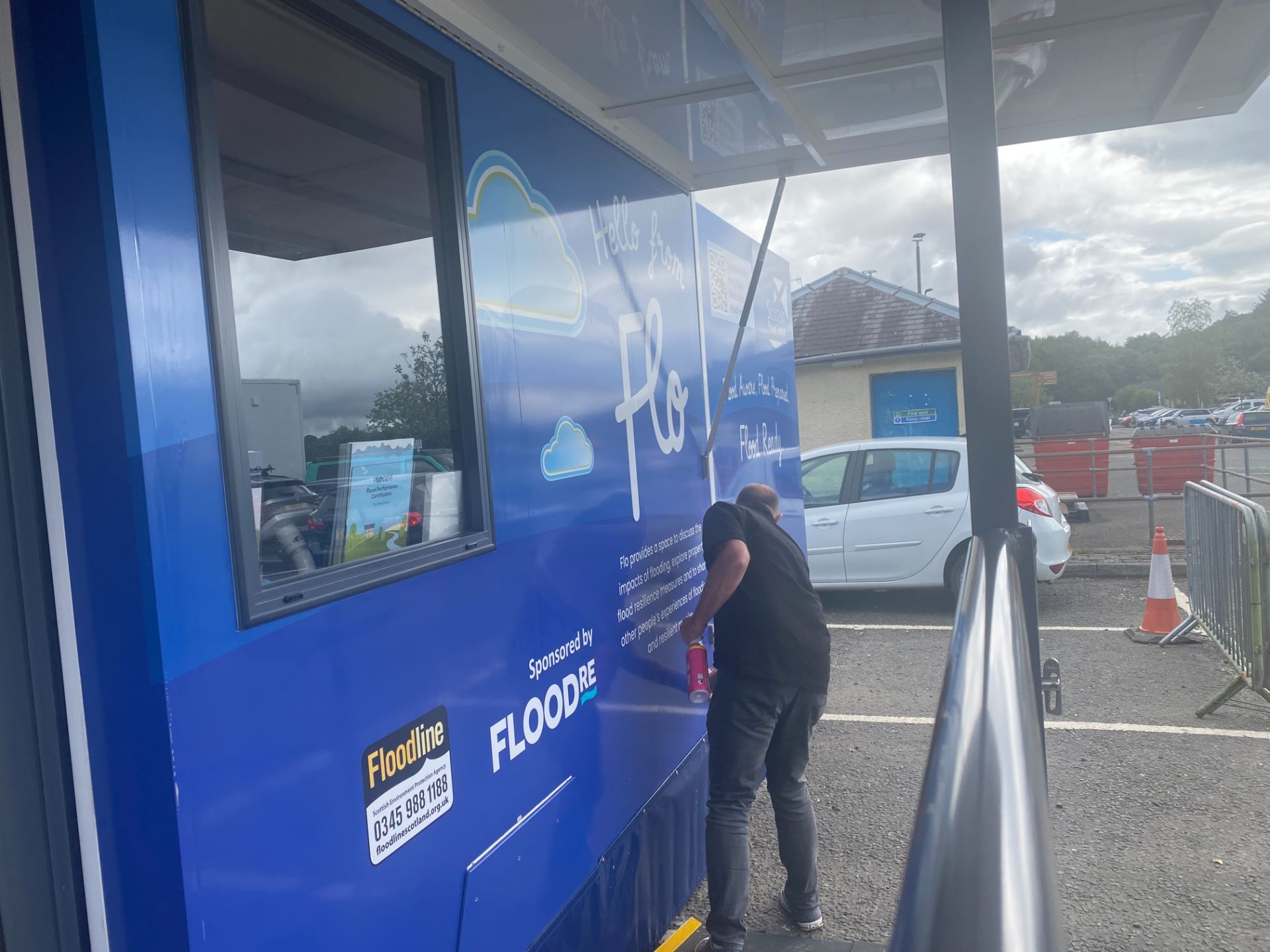
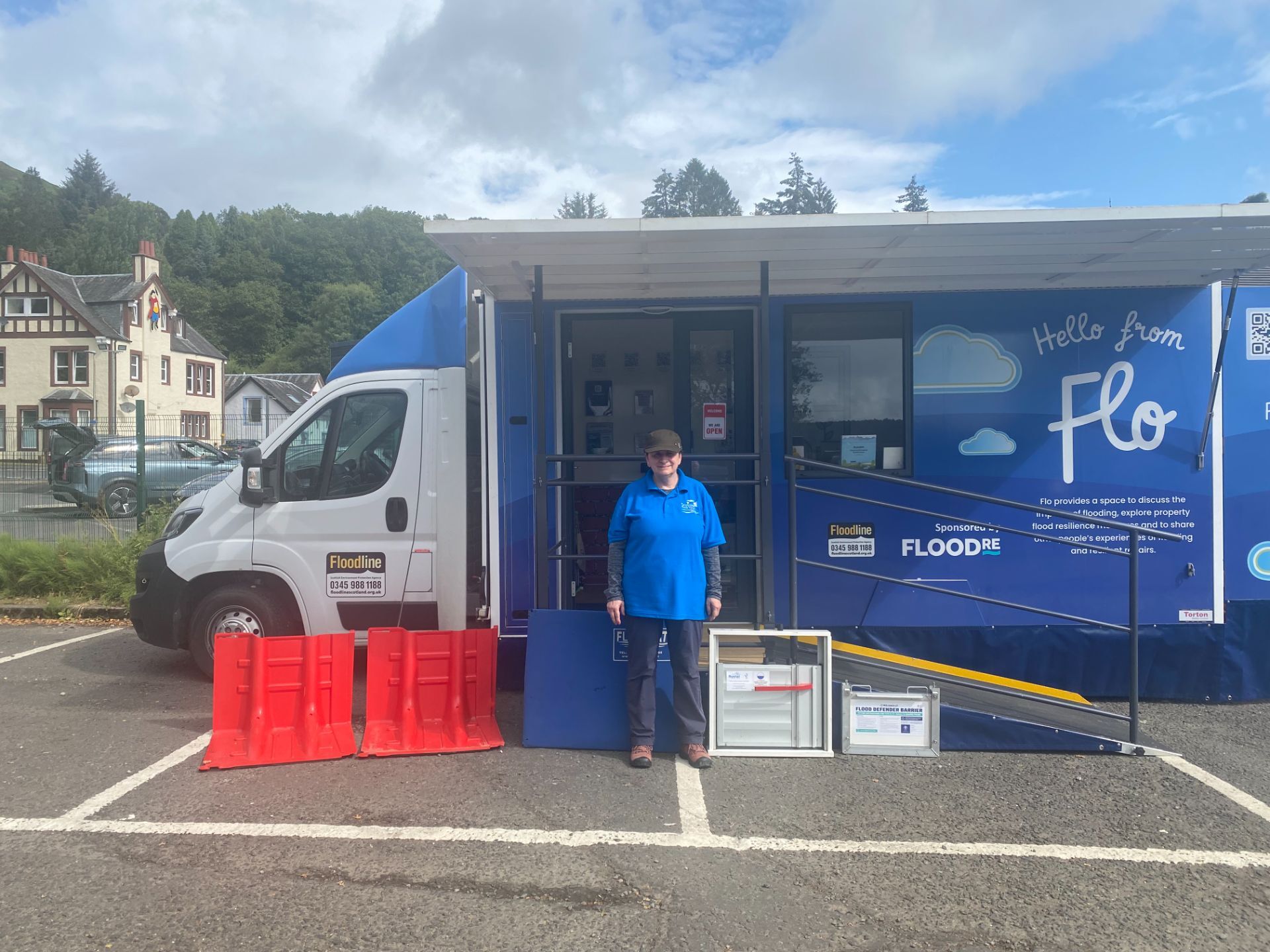
FLO at Aberfoyle Gala on 26th July. |
|
|
Derek with flood barriers |
|
|
|
Kasha with flood barriers |
|
|
|
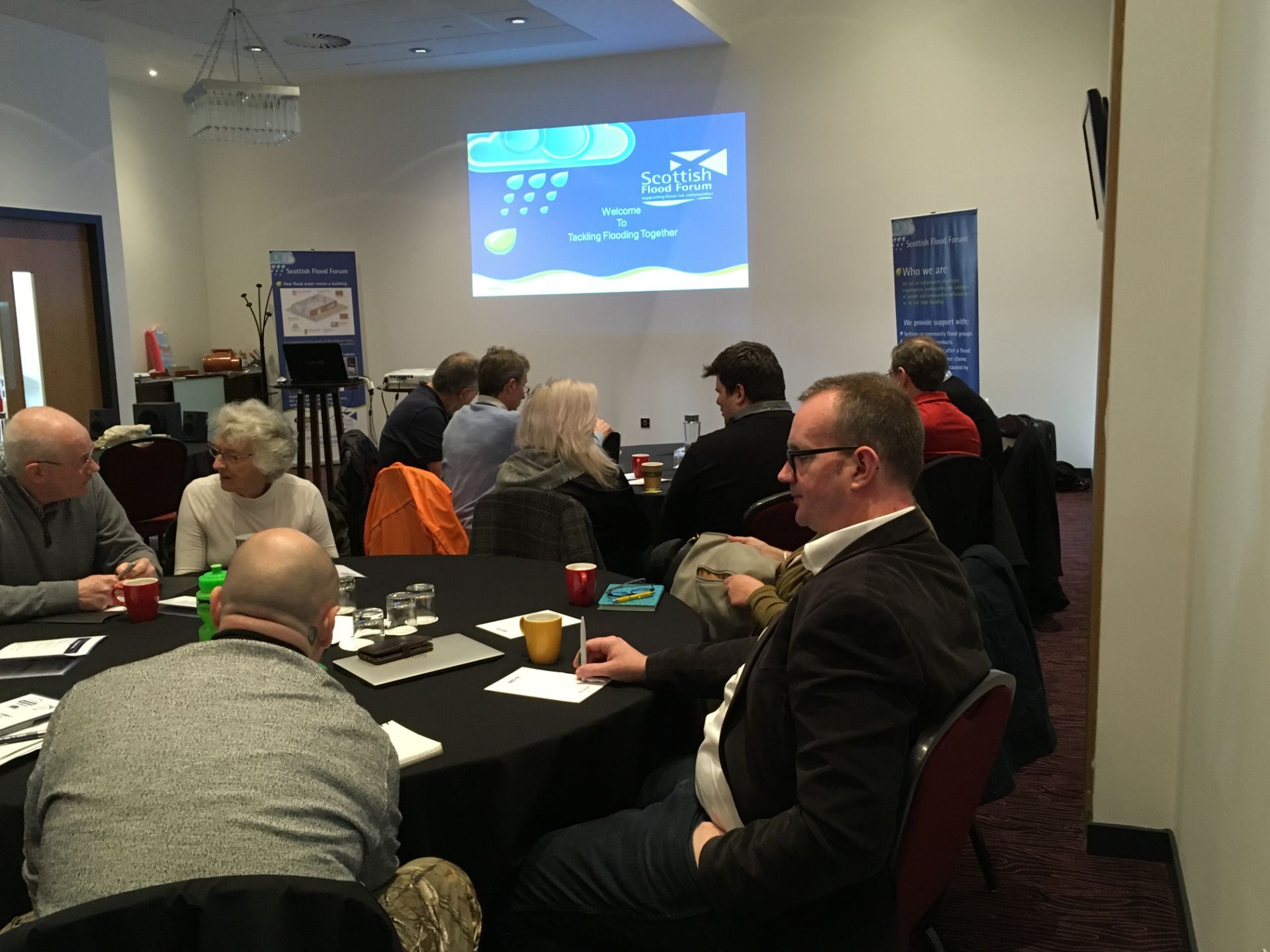
Building skills, Strengthening Teams: Summer training Summer is often a quieter period for flooding, making it the perfect time for Community Flood Groups to strengthen their skills, welcome new volunteers, and prepare for the wetter months ahead. Investing just a few hours now can make a real difference when the next flood warning arrives. Training doesn't have to be formal or expensive. Some of the most valuable learning comes from practising together and getting to know your local area. |
|
|
|
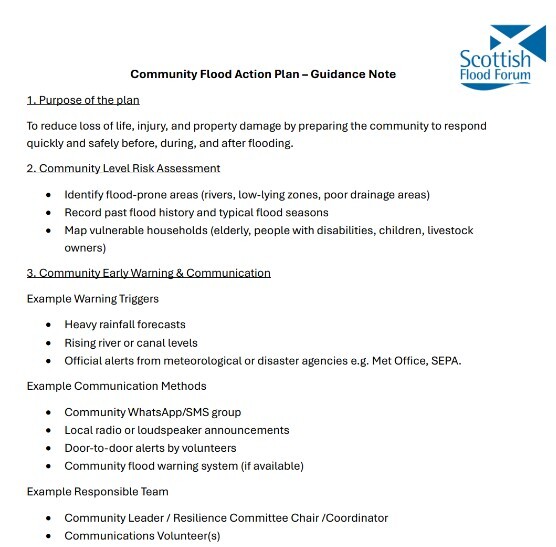
Walk Your Flood Routes Take a walk around your community and identify areas that could become vulnerable during heavy rainfall. Check drainage channels, culverts, bridges, watercourses and known flood hotspots. Discuss what might happen during different types of flooding and whether any changes have occurred since your last inspection. It's also a good opportunity to update local flood maps and identify properties or infrastructure that may require additional support during an emergency. |
|
|
|
Test Your Flood Action Plan A flood plan is only effective if everyone understands it. Organise a tabletop exercise where volunteers work through a realistic flood scenario. Ask questions such as: Who receives the flood warning? Who contacts vulnerable residents? How will information be shared? What happens if key volunteers are unavailable? Are evacuation routes still appropriate?
|
|
|
|
|
These discussions often reveal small improvements that can make a significant difference during a real event. |
|
Practice Using Your Equipment Summer is an ideal time to check and test any equipment your group manages, including: Flood warning and river monitoring systems Community notice boards Radios or communication devices Flood pods and emergency supplies Personal protective equipment (PPE)
|
|
|
|
|
Replace expired items, check batteries and update equipment inventories. If your community has river level monitoring equipment, ensure sensors are clean and functioning correctly. |
|
|
|
Build Confidence in Flood Warnings Make sure volunteers understand the different sources of flood information available in Scotland, including flood alerts, flood warnings and local river monitoring systems where these exist. Spend time discussing what each warning means, when your community plan should be activated, and how local observations can complement official information. |
|
|
|
Strengthen Local Partnerships Invite representatives from your local authority, emergency services, Scottish Flood Forum, community council or other local organisations to join a meeting or exercise. Building relationships before an emergency helps improve communication and coordination when flooding does occur. |
|
|
|
|
Top Summer Training Checklist ✅ Review your Flood Action Plan ✅ Walk and assess local flood hotspots ✅ Test monitoring and communication equipment ✅ Check flood pods, stores, and emergency supplies ✅ Run a tabletop flood exercise with volunteers ✅ Recruit and induct new volunteers ✅ Update volunteer contact lists and call-out arrangements ✅ Meet with local partners and share preparedness plans |
|
Keep Learning Every community is different, and every flood provides new lessons. Encourage volunteers to share experiences, attend training opportunities, and learn from other flood groups across Scotland.
Prepared communities are built over time. By using the summer months to refresh skills, test plans and strengthen relationships, your group will be better prepared to respond confidently when the weather changes. By Kasha Jarosz |
|
What Community Resilience and Flood Groups told us |
|
|
|
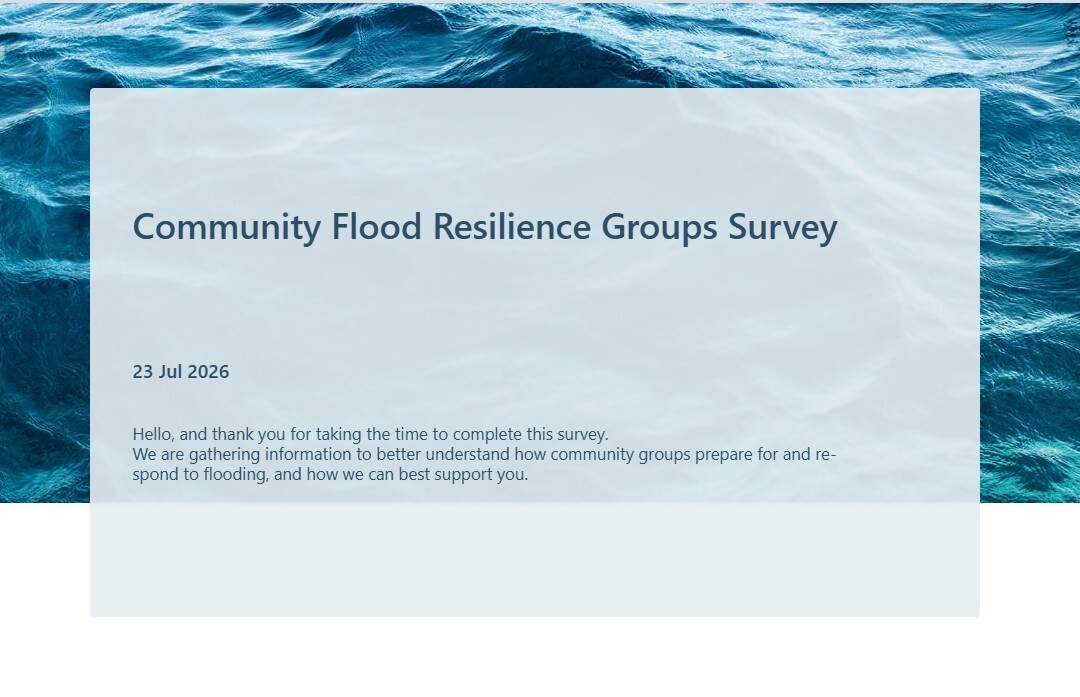
Thank you to everyone who completed our recent survey. Your feedback provides a valuable snapshot of the challenges facing community flood groups across Scotland and the support that would make the biggest difference. |
|
|
|
The most common challenge identified was recruiting and retaining volunteers, followed closely by working effectively with partner agencies. Groups also highlighted communication, community engagement, and funding as significant ongoing challenges.
When asked what support would be most valuable, the strongest message was the need for better coordination with agencies. Many groups also requested support with community engagement, additional funding, and practical guidance and templates to help them organise activities and strengthen local resilience.
Several respondents commented that while communities are willing to help during flood events, it is becoming increasingly difficult to attract volunteers for planning, training and long-term resilience work. Others emphasised the importance of stronger collaboration between local authorities, emergency responders and community groups, particularly before flooding occurs.
These findings will help shape our future support, ensuring we focus on the areas where community flood groups need it most. Thank you again to everyone who shared their experiences and ideas.
If your group hasn't yet taken part, there's still time to have your say. We'd love to hear from you—simply complete the survey using this link.
By Kasha Jarosz |
|
After over three years with the Scottish Flood Forum, the time has come for me to move on, and I'll be leaving SFF at the end of August.
It has been a real privilege to work alongside community resilience and flood groups across Scotland. Their dedication, generosity and commitment to making their communities safer continue to inspire me, and I have learned so much from the volunteers I've had the pleasure of supporting. I'd also like to thank the SFF team and our Board of Trustees for their encouragement, friendship and unwavering commitment to supporting communities at risk of flooding. Being part of such a passionate and dedicated organisation has been a truly rewarding experience. |
|
|
|
|
To everyone I've worked with over the years—community groups, local authorities, partner organisations and colleagues—thank you for your support, collaboration and kindness. I leave with many happy memories and friendships, and I'm sure our paths will cross again.
I wish you all, and the Scottish Flood Forum, every success for the future.
By Kasha Jarosz |
|
Want more tips and practical flood advice?
You’ll find plenty of useful guidance, updates, and resources on our Facebook page.
Click the icon below, give us a follow, and stay prepared all year round! |
|
|
|
|